

The return of 1970s-inspired interiors is reshaping luxury design in 2025. From sunken lounges in Australia to bold Chelsea apartments in London, designers are reviving tactile textures, earthy tones, and glamorous retro details for contemporary living.
Laid-Back Glamour
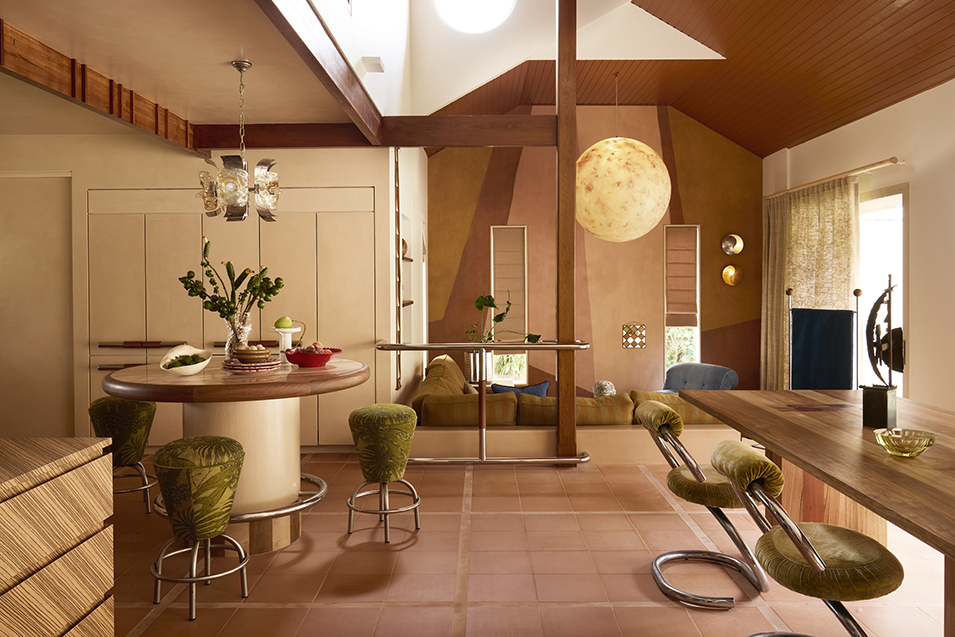
Interior designer Yasmine Saleh Ghoniem of YSG Studio in Sydney highlights why the 1970s still resonate. Low-slung furniture, lush velvets, chenille fabrics, and rich timber pieces create what she calls an “everlasting relaxing mood.” For her Byron Bay project, Ghoniem centered the home around a retro-style sunken lounge with an oversized cushioned sofa, surrounded by caramel and toffee tones. Chrome accents, from a dining chair leg to a kitchen balustrade, added reflective balance against warm textures.
Contemporary Retro Fusion
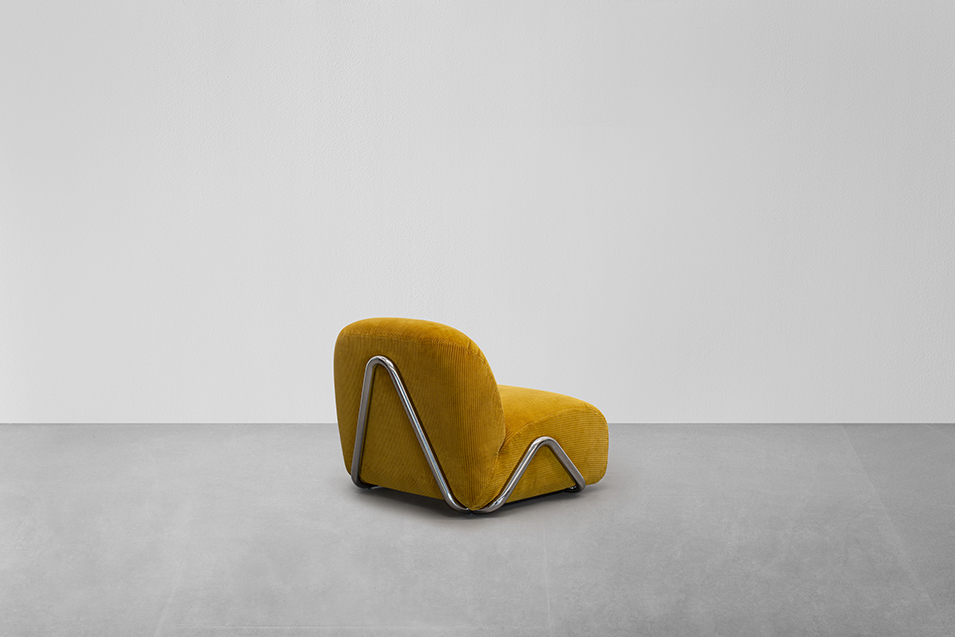
Furniture designers David Raffoul and Nicolas Moussallem, co-founders of David/Nicolas, embrace the idea of blending decades. Their “Victoria” modular seating system for Tacchini, with chrome tubular frames, nods to the 1970s while staying modern. For a new villa project in Athens, they are weaving in 1970s-inspired features, including a private nightclub, while avoiding pastiche. “You’re not doing movie sets,” Raffoul notes, stressing the need to design real, livable spaces.
Color, Character, and Hosting
Rebecca Hughes, founder of her London studio, uses the 1970s aesthetic selectively. She combines rattan lampshades, curved sofas, and reupholstered retro pieces with contemporary finishes and art. For a Chelsea pied-à-terre, she designed a mustard yellow kitchen with olive green tiles and chequered vinyl flooring—playful yet practical. A fruit-patterned wallpaper and open-plan layout captured the entertaining spirit of the decade.
Designer Peter Mikic also channeled 1970s glamour at London’s 2025 WOW!house showcase, where he drenched a dining space in vibrant yellow for a bold, social vibe.
Why the 1970s Still Work
The decade’s interiors were about lounging, entertaining, and comfort. That combination makes them perfect for today’s open-plan living. Whether expressed through a chrome accent, a velvet sofa, or a bold retro color palette, the 1970s aesthetic balances nostalgia with modern luxury. Designers agree that the key is not overdoing it—too much kitsch can overwhelm. Instead, the style thrives when blended with modern pieces, antiques, and carefully chosen textures.
From Australia to Europe, 1970s-inspired interiors are proving timeless. Their relaxed glamour, tactile fabrics, and bold use of color bring personality and warmth to modern homes. For those seeking to design welcoming, characterful spaces, the decade’s influence offers both inspiration and fun—perhaps even with a cocktail in hand.
READ: Luxury Homes with Spectacular Ceilings Around the World