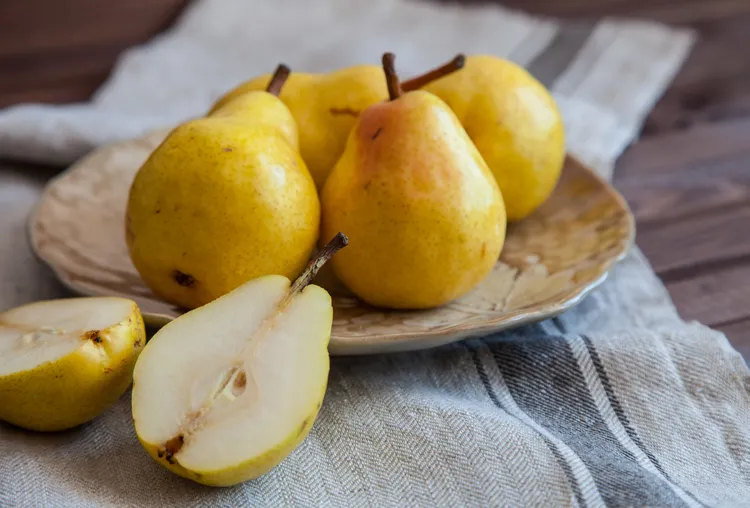

Pears are often tricky to store, but with a little attention, they can become the perfect blend of juicy and buttery. Unlike many fruits, pears are picked before they are ripe and continue to ripen after harvest. Understanding how and where that ripening happens is crucial for achieving that perfect pear texture. Whether you’re trying to slow down the ripening process or speed it up, this guide will help you store your pears perfectly at every stage.
Why Pears Are Picked Before They’re Ripe
If you’ve ever brought home pears that feel rock-hard, it’s not a mistake – it’s by design. Pears are climacteric fruits, which means they ripen after being picked. According to Laura Naumes, the executive VP and COO of Naumes, Inc., pears are harvested when they reach the peak minimum maturity. This ensures they ripen evenly and don’t develop off flavors. Once harvested, pears begin developing aroma, flavor, and sugars, softening from the inside out, a process that’s critical for their final flavor profile.
How to Store Unripe Pears
If You Want to Slow Ripening
When pears are still firm and you’re not in a hurry for them to ripen, refrigeration is your best option. Cold temperatures slow down the metabolic processes that drive ripening, extending their shelf life. While the ideal storage temperature is around 32°F, your refrigerator works well, typically operating between 35-40°F. Just remember to check on them regularly, as some pear varieties won’t change color when fully ripe.
How to Encourage (or Speed Up) Ripening
When you’re ready for your pears to ripen, simply take them out of the fridge and leave them at room temperature. The most effective way to speed up the process is using a paper bag and pairing the pears with ethylene-producing fruits, such as apples. As Naumes recommends, placing the pears in a brown paper bag with an apple and sealing it will help speed up the ripening process. This simple method works because the ethylene gas produced by apples accelerates the natural ripening of pears. Campbell adds that paper bags are preferable to plastic ones because they allow the fruit to breathe.
How to Tell When a Pear is Ready to Eat
Forget about squeezing the middle of the pear – pears ripen from the inside out. The most reliable way to check for ripeness is to gently press near the stem. If the neck yields slightly, it’s time to enjoy the pear. A ripe pear will also have a pleasant aroma and may become slightly lighter in color. Be sure to check the fruit regularly, as pears ripen at different speeds and once ripe, they should be eaten soon after.
How to Store Pears Once They’re Ripe
Once your pear is ripe, there’s no need to eat it right away. To keep it at peak quality, store the ripe pear in the refrigerator. The cold temperature slows down the enzymatic processes that soften the pear, allowing it to last longer. Typically, ripe pears will stay fresh for four to five days in the fridge. However, very ripe pears may not last that long, so keep an eye on them to avoid overripeness.
What to Do With Overripe Pears
If your pears are too soft but still edible, they’re far from useless. Overripe pears are perfect for making smoothies, as they are high in fiber and naturally sweet. Naumes suggests using them for pear butter or pear sauce, which pairs wonderfully with savory dishes like pork. Pears that are bruised are still flavorful, as bruising doesn’t impact taste, so don’t throw them away just yet.
How to Store Cut or Sliced Pears
Once pears are cut, they will begin to brown quickly due to enzymatic reactions with oxygen. To prevent browning, coat the slices with lemon juice, which helps slow down the enzymatic process. Store them in an airtight container or bag in the refrigerator. Naumes recommends mixing fresh lemon juice with water and using this solution to coat the pear slices for storage, ensuring they stay fresh for a little longer.
Pear Game
Pears aren’t difficult to store once you know how to handle them properly. Monitor their ripening, store them correctly, and always check the neck for ripeness. Pears are easy to ripen and easy to store once they’re ripe, and they’re definitely worth the effort.