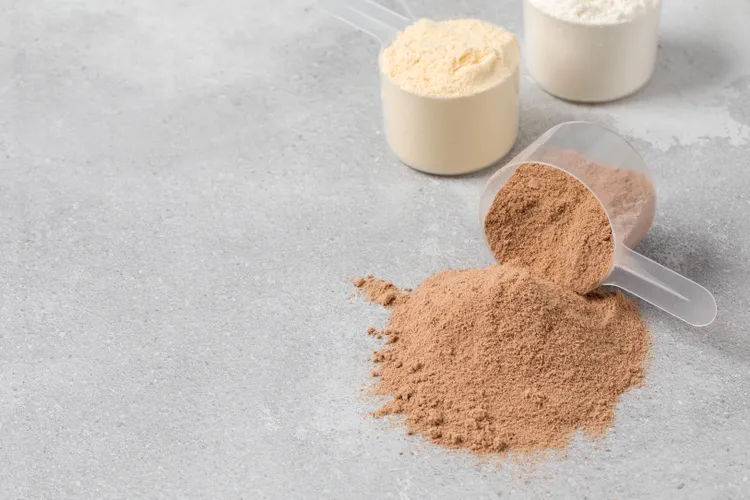

A recent investigation by Consumer Reports has reassured protein powder consumers about lead exposure risks. The new report tests some of the most popular chocolate protein powders, easing concerns about dangerous levels of lead. Following a previous investigation that revealed high lead levels in some protein powders and shakes, many readers inquired about brands that hadn’t been tested. To address these concerns, Consumer Reports conducted tests on five popular protein powders: Clean Simple Eats, Equate, Premier Protein, Ritual, and Truvani, which included both whey and plant-based options.
Each of the samples was tested for four heavy metals: arsenic, cadmium, lead, and mercury, which were identified in the prior investigation. The results were encouraging, as all five protein powders tested had significantly lower levels of lead compared to the previous tests, with most being deemed safe for daily or near-daily consumption.
Test Results and Lead Levels
Of the five protein powders tested, four had lead levels below Consumer Reports’ threshold for concern, which is set at 0.5 micrograms of lead per daily serving based on California’s Prop 65 standards. Clean Simple Eats’ whey-based Chocolate Brownie Batter protein powder had the least lead at just 0.21 micrograms per serving. Equate’s Rich Chocolate whey-based protein had 0.27 micrograms, while Premier Protein’s Chocolate Milkshake dairy-based powder contained 0.38 micrograms per serving. Truvani’s plant-based protein powder had 0.46 micrograms per serving.
Ritual’s Essential Protein Daily Shake contained 0.53 micrograms of lead per serving, which is still low enough to be considered safe for up to 6.5 servings per week, according to Consumer Reports’ experts.
Health Risks of Lead Exposure
Although the levels of lead found in these protein powders are low, repeated exposure to even small amounts of lead can accumulate over time and lead to health risks. Lead is persistent in the body, and chronic exposure has been linked to various health issues such as immune suppression, reproductive problems, kidney damage, and high blood pressure in adults. Children and pregnant individuals are particularly vulnerable to the harmful effects of lead, as it can damage the developing brain and nervous system, leading to learning delays, behavioral issues, and neurological problems, according to the U.S. Centers for Disease Control and Prevention (CDC).
How to Choose Protein Powder
Unlike prescription medications and over-the-counter drugs, protein powders are not reviewed or approved by the U.S. Food and Drug Administration (FDA) before being sold. Federal regulations also do not require supplement makers to prove that their products are safe, and there are no federal limits on the amount of heavy metals they can contain. Given these factors, it’s important to choose protein powders from brands that use third-party testing to verify their safety and quality.
Look for certifications from trusted third-party organizations such as NSF Certified for Sport, Informed Choice, or USP. These seals indicate that the product has undergone rigorous testing for quality, purity, and contaminants, including heavy metals.