
Life in 2026 looks very different from just a few years ago. Rapid technological progress, shifting economic realities, and changing social values are redefining how people live, work, and relate to their surroundings. Homes are becoming more flexible, work is less tied to physical offices, and personal well-being has moved to the center of daily decision-making.
These 2026 living trends reveal how lifestyles are adapting to a world that values balance, efficiency, and purpose more than ever before.
Homes Designed for Flexibility
One of the most noticeable lifestyle changes in 2026 is how homes are used. Living spaces are no longer designed for a single function. Instead, homes now serve as offices, relaxation zones, entertainment centers, and wellness retreats.
Open layouts, movable furniture, and multifunctional rooms allow people to adapt spaces throughout the day. A dining table may double as a workspace, while living rooms transform into exercise or meditation areas. Flexibility has become essential, especially for urban households with limited space.
Remote and Hybrid Work as the Norm
Work-from-home is no longer an exception in 2026. Many professionals operate in hybrid or fully remote setups, reshaping daily routines and priorities. Commutes have shortened or disappeared, giving people more control over their time.
This shift has influenced housing choices, with more people prioritizing quiet neighborhoods, reliable internet, and dedicated workspaces. Cafés, co-working hubs, and community spaces also play a larger role in supporting flexible work lifestyles.
Smart Homes Become Standard
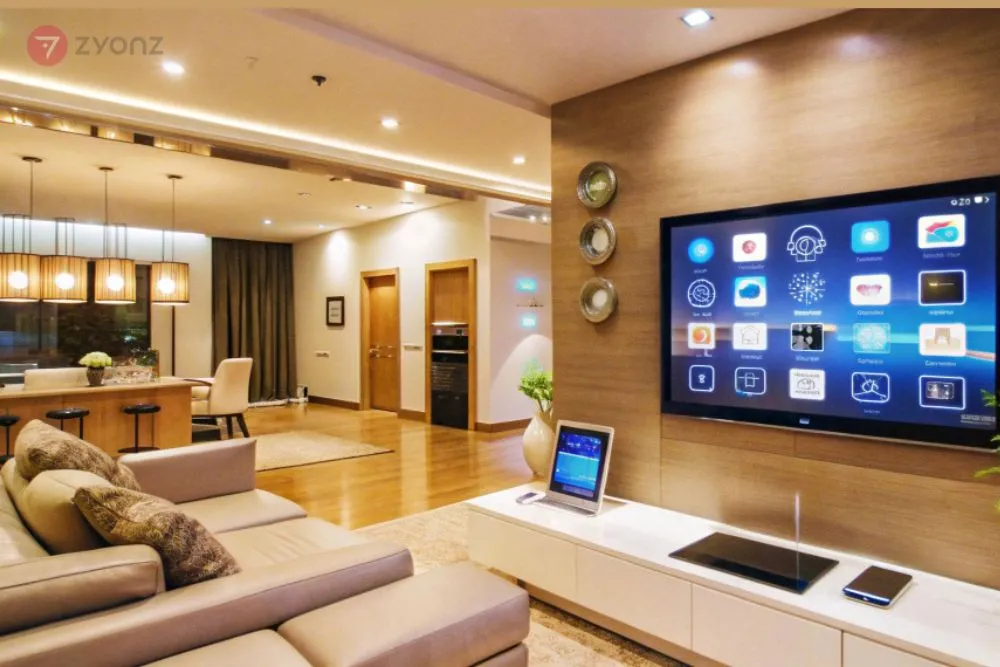
Technology is deeply embedded in everyday living. Smart home systems in 2026 manage lighting, temperature, security, and energy usage with minimal effort from residents.
Voice assistants, automation, and connected devices enhance comfort and efficiency. Smart homes also support sustainability by reducing energy waste and monitoring consumption. For many households, these technologies are no longer luxury upgrades but standard expectations.
Wellness-Centered Living
Wellness has become a defining lifestyle priority. In 2026, people actively design their environments to support mental, physical, and emotional health.
Homes feature calming colors, natural light, and indoor plants to create soothing atmospheres. Meditation corners, fitness areas, and sleep-optimized bedrooms reflect a focus on holistic well-being. Daily routines increasingly include mindfulness, exercise, and intentional rest.
Lifestyle choices are guided not just by convenience, but by how they support long-term health.
Sustainable and Conscious Choices
Sustainability continues to shape how people live in 2026. Individuals are more aware of their environmental impact and increasingly choose eco-friendly options.
Energy-efficient homes, sustainable materials, reduced waste, and responsible consumption are becoming mainstream. Many people favor quality over quantity, choosing durable products and reducing unnecessary purchases.
This shift reflects a broader mindset change, where lifestyle decisions are influenced by values as much as affordability or aesthetics.
Community-Oriented Living
Despite increased digital connectivity, people in 2026 value real-world connection more than ever. Community-focused living arrangements, such as co-living spaces and mixed-use developments, are growing in popularity.
Shared amenities, communal gardens, and social spaces encourage interaction and reduce isolation. Even traditional neighborhoods emphasize community events and shared experiences, responding to a desire for belonging in a fast-paced world.
Urban Living With a Softer Touch
Cities remain attractive in 2026, but urban living has evolved. People seek environments that balance convenience with comfort. Access to green spaces, walkable neighborhoods, and local amenities is a priority.
Urban residents prefer locations that reduce reliance on long commutes and support healthier lifestyles. Mixed-use developments that combine housing, workspaces, retail, and leisure reflect this trend toward integrated living.
Digital Lifestyle Integration
Digital tools shape daily life in subtle but powerful ways. Online services manage everything from shopping and banking to healthcare and learning. In 2026, people expect seamless digital experiences that save time and reduce stress.
However, there is also a growing emphasis on digital balance. Screen-free time, offline hobbies, and intentional disconnection are increasingly valued as people seek healthier relationships with technology.
Changing Definitions of Success
Lifestyle changes in 2026 reflect evolving ideas of success. Instead of focusing solely on career advancement or material accumulation, many people prioritize balance, freedom, and fulfillment.
Success is measured by quality of life, flexibility, and well-being rather than traditional status symbols. This mindset influences housing choices, spending habits, and long-term planning.
Adapting to Economic Realities
Economic uncertainty has encouraged more practical lifestyles. People are mindful of costs and seek value-driven living solutions. Smaller homes, shared resources, and flexible services help reduce financial pressure.
At the same time, investments in comfort, health, and efficiency are seen as worthwhile. People aim to create stable, adaptable lifestyles that can withstand future changes.
Conclusion
The 2026 living trends highlight a shift toward flexibility, wellness, sustainability, and intentional living. Homes are multifunctional, work is more adaptable, and lifestyle choices reflect deeper values rather than convenience alone.
As people continue to redefine what it means to live well, 2026 marks a turning point where balance, purpose, and resilience shape everyday life. These evolving lifestyles suggest a future where living is not just about where we stay, but how thoughtfully we design our lives.